
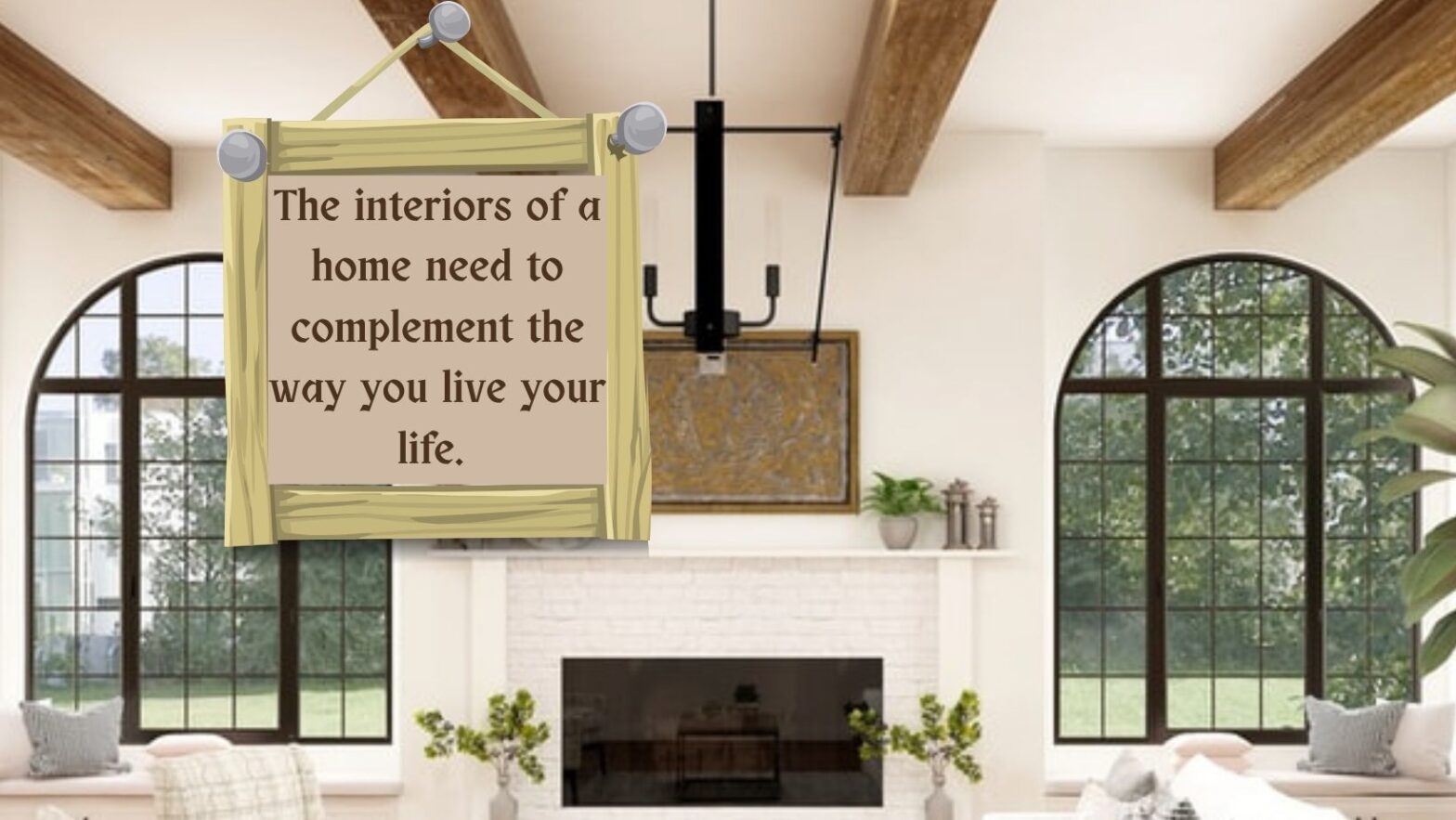
Good Interior Design Transforms Benefits
Interior design has often been associated with opulence—a process of selecting the “best” velvet for a sofa or the perfect shade of “eggshell” for walls. But the reality goes much deeper. The atmosphere of the spaces we live in quietly shapes our mood, productivity, and relationships.
This is where the benefits of interior design truly matter. Good interior design is not only about how a room looks; it’s about how it feels and functions. A well-designed home improves comfort, supports daily activities, and positively influences mental well-being, making everyday life more balanced and meaningful.
1. The Psychology of “Home as a Sanctuary”
Have you ever entered a room and experienced an immediate wave of serenity? That is no coincidence. The use of color psychology has been one of the methods through which designers can control our nervous system.
Cool shades of blue and green can slow down the heartbeats, whereas warm, earthy tones, which are becoming popular in 2025, can make one feel secure and grounded. A house that is beautifully designed is like a mental reset button that moves you from the turmoil of the outer world to the serenity of personal space.
2. Boosting Productivity Through Intentionality
The increasing popularity of hybrid work has turned our houses into offices as well. One of the consequences of the poor design is “visual noise,”—a combination of clutter and awkward layouts that makes it hard for you to concentrate.
While professional design applies Zoning, it sets up clearly marked areas separating “work mode” and “rest mode.” Zoning also extends to small apartments, where furniture can be smartly placed, and lighting can be ergonomic enough to not only raise cognitive function but also avoid the midday slump.
3. Efficiency and the “Flow” of Life
Great design brings to light and then solves even the problems that you weren’t aware of. Such a kitchen design that locates the spice rack right at the point of your hand’s natural reach, or such entryway storage that prevents the morning “where are my keys?” panic. Through Space Planning optimization, interior design takes away the daily life “micro-stressors” and turns your routines into effortless activities rather than a series of hurdles.
4. Biophilia: Bringing the Outdoors In
We are, in a sense, genetically predestined to be close to nature. Contemporary interior design advocates Biophilic features, using, among others, natural illumination, organic materials such as stone and recycled wood, and plants inside.
It has been scientifically established that this link with nature lowers the stress hormone cortisol and purifies the air, which is why you are feeling more physically fit in your living room.
5. A Reflection of Your Identity
Perhaps the most significant change is emotional. A space tailored to your personality fosters a sense of belonging and pride.
When your environment reflects your history and your tastes, it reinforces your sense of self. It becomes a place not just to exist, but to thrive.
Experience the perfect blend of elegance and functionality with Greywood Interior & Developer, where we transform your vision into a living masterpiece.
FAQs: Benefits of Interior Design
Q: Is interior design only for people with large budgets?
Not at all. Interior design is about the quality of space, not just the cost of furniture. Even small changes, like optimising your lighting or decluttering via smart storage, can drastically improve how a space functions.
Q: How does color actually affect my mood?
Colors stimulate different psychological responses. For example, yellow is often associated with energy and memory, making it great for study areas, while deeper “moody” colors like charcoal or navy can make a bedroom feel intimate and luxurious.
Q: Can good design really make a small home feel larger?
Yes. Through the use of mirrors, “leggy” furniture that shows more floor space, and a cohesive color palette, designers can create the visual illusion of expansiveness, preventing that “boxed-in” feeling.
Q: What is “Biophilic Design” and why is it popular now?
It is the practice of connecting occupants to nature. It’s popular because modern life is increasingly digital and indoor-based; bringing in natural textures and light helps restore our mental well-being and reduces stress.
Q: How do I know if I need a professional designer?
If you find yourself constantly fighting with your space—feeling cramped, disorganized, or uninspired—a professional can provide a fresh perspective and technical expertise to fix the underlying structural or aesthetic issues.