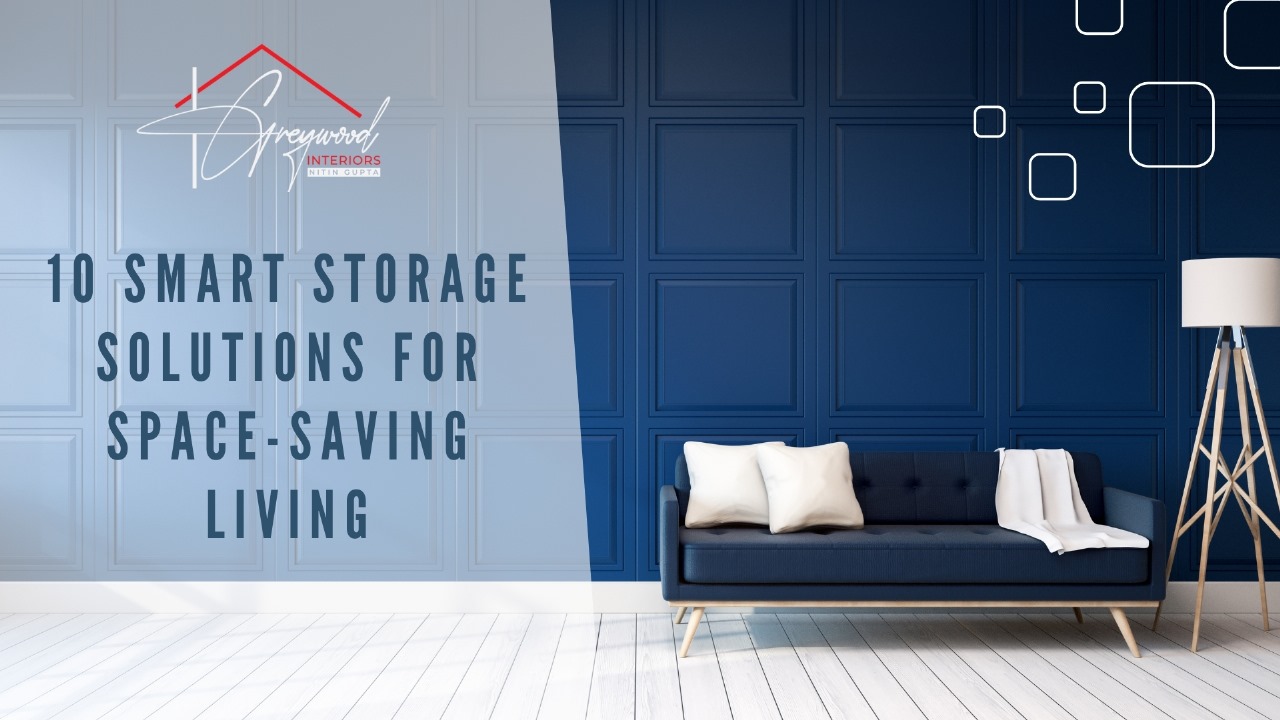
10 Smart Storage Solutions for Space-Saving Living

Do you feel like your house is suffocating because of an absence of space? Are you bored of the accumulation of junk? Don’t worry! If you can come up with some smart space-saving storage solutions to make your house an organised paradise. If you’re looking for ways to get use of space, without losing style and functionality, then you’re on the right track.

In this blog article, we’ll look at the 10 space saving storage solutions that will completely transform your house by organizing your clutter and increasing your living space.

Introduction to Space-Saving Solutions

At a time when the size of our homes is shrinking, while the amount of stuff we own is increasing, the necessity for effective space-saving techniques is more essential than ever. Innovative storage solutions will do more than just help you organize your belongings, they also create an open and inviting space no matter the dimension of your property. From apartments that are small to huge homes that can accommodate families, these ideas can change how you use your space.

Why Space-Saving Solutions Matter

If you reside in an apartment with a small studio or a huge house, using efficient storage techniques can help improve the quality of your life. The practices can help you organize reduce stress and simplify your daily life. A well-organized storage space also shields your possessions from damage and wear particularly when you live in small spaces, where clutter may cause accident-related harm.

Benefits of Smart Storage

Smart storage solutions do more than keep things tidy; they make your space feel larger, more inviting, and organized. Benefits include:

  • Maximized Living Space: Reduces clutter and optimizes every inch.
  • Increased Efficiency: Keeps frequently used items accessible.
  • Enhanced Home Aesthetics: Creates a clean, visually appealing environment.

10 Simple Tips for Creating Space in a Cozy Home

1. Open Up Your Entryway

Create a welcoming and functional, with lots of space to move about. A seating space or bench is a great place to take off your shoes or store bags. If you have smaller space, think about hanging shelves and hooks on the wall. Large mirrors can create illusions of bigger space through the reflection of sunlight.

  • Declutter: Use a bench or hooks to organize shoes and bags.
  • Maximize Light: Hang a large mirror to create an illusion of space.

2. Enhance Kitchen Efficiency

Since it is the heart of the family The kitchen must be functional and easy to use. Make use of drawer organizers and vertical storage units to maximise storage space for your pantry. Wall hooks and overhead racks let counter space be free and keep essentials in easy reach.

  • Optimize Storage: Use drawer organizers, vertical shelving, and overhead storage.
  • Keep It Clean: Install wall hooks for small cookware and free up cabinet space.

3. Maximize Bathroom Storage

Bathrooms can also be used as a space for storage, with a couple of clever changes. Put up shelves that are open beneath the sink. You can also opt for a mirror cabinet to place small objects. The shoe organizer over the door is an ideal solution to store cosmetics, toiletries and accessories.

  • Utilize Vertical Space: Install open shelving and use the space under the sink.
  • Double-Duty Mirrors: Use mirrored medicine cabinets to save space.

4. Smart Living Room Solutions

The living rooms typically see lots of people, therefore look into multi-functional furniture for keeping everything organized. Ottomans equipped with storage and drawers, coffee tables and compartments that are hidden can help the space feel more airy without degrading practicality.

  • Multifunctional Furniture: Opt for ottomans with storage and coffee tables with drawers.
  • Hidden Storage: Use wall-mounted shelves and baskets to keep clutter at bay.

5. Create Versatile Kids’ Rooms

Rooms for children must be as exciting as their creative imaginations. For a clutter-free environment put up art work and other homework on boards for bulletins or wire. Bunk beds fitted with storage is a fantastic alternative to free up area in smaller rooms.

  • Vertical Storage: Use bulletin boards and art wire to organize schoolwork and art supplies.
  • Space-Saving Furniture: Consider bunk beds with built-in storage.

6. Organize Your Bedroom for Comfort

Bedrooms should be the space is calming. If you can, choose a wall-mounted wardrobe and keep items that are not in season within containers that are under the mattress. Closet organizers that can be used for clothes as well as accessories will help in reducing the amount of clutter. Additionally, soothing colors such as white and blue provide a serene ambience.

  • Clutter-Free Closets: Utilize wall-mounted closets and under-bed storage.
  • Calming Colors: Choose soothing colours like blue and white to create a peaceful atmosphere.

7. Set Up a Compact Home Office

If having a fully-fledged office isn’t feasible, you can create a smaller space for work in a part of your bedroom. Vertical shelves can save you floor space furniture, and retractable cables organizers ensure an orderly, efficient arrangement.

  • Vertical Storage: Use wall-mounted shelves and drawers.
  • Flexible Furniture: Invest in retractable or folding desks and chairs.
  • Cable Management: Use zip ties and clips to keep wires organized.

8. Streamline Laundry Space

Make your laundry area an efficient workspace by installing a fold-away counter, shelves and hanger areas. The storage of extra linens and towels can help free storage space in the bedroom closet.

  • Maximize Counter Space: Use it for folding and sorting laundry.
  • Vertical Storage: Install shelves for detergents and other supplies.
  • Drying Solutions: Utilize a hanging rack for drying clothes.

9. Rethink Your Garage Storage

Do not let your garage turn into a mess. Get rid of unnecessary objects and utilize roof racks for storage of things that are seasonal, sports equipment and other tools. This will make it an efficient, well-organized area.

  • Declutter: Remove unnecessary items to free up space.
  • Overhead Storage: Install ceiling racks for seasonal items and bulky equipment.

10. Bring Nature Indoors

If you want to add some greenery to your smaller space, you can try alternatives like wall-mounted plants such as vertical plants, or wall moss. The plants in your home can bring spaces to life, and help create an airy, welcoming atmosphere.

  • Vertical Gardens: Use wall-mounted planters and hanging baskets.
  • Indoor Plants: Choose low-maintenance plants to add a touch of green.

Upgrade Your Living Space with Greywood

Instead of redesigning every room of your current residence, consider a modern and thoughtfully designed space. Greywood, known as the best interior designer in Agra, creates contemporary living spaces with efficient layouts that combine comfort and luxury. With Greywood’s expertise, you will enjoy a stylish home where every corner is optimized for a sophisticated and spacious feel.
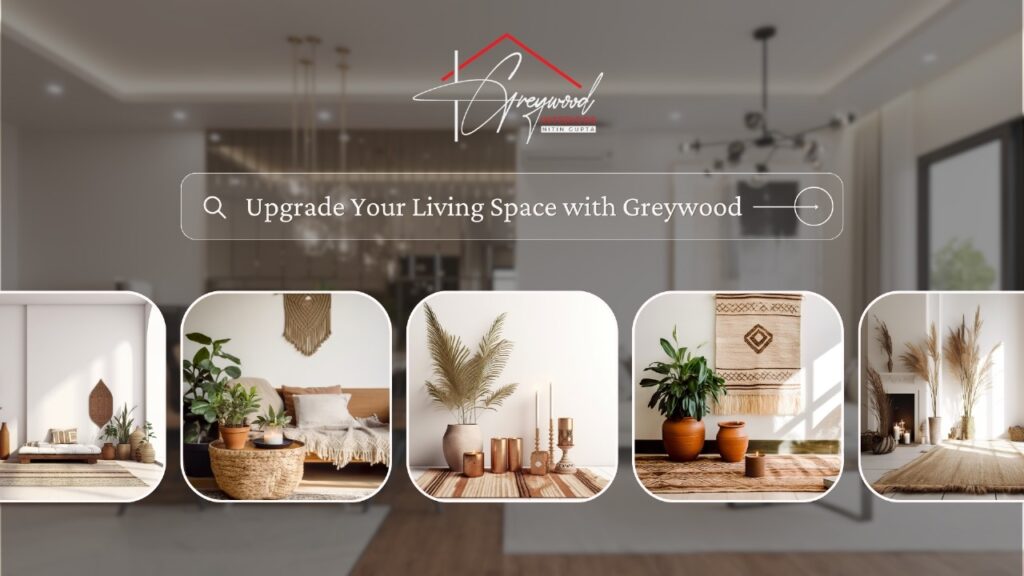
space saving solutions by greywood

Greywood provides thoughtfully-designed apartments that maximize space, and offer an upscale life experience. Explore our current projects located in Agra and many more.

Conclusion and Final Thoughts

By incorporating these storage solutions, you can transform your home into a clutter-free, comfortable space. From creative DIY hacks to multi-functional furniture, there are many ways to maximize storage without compromising on style.

FAQs For Maximizing Space In Small Homes:

1. How do I help my entry feel more spacious in a tiny room?

Make use of furniture that is functional, such as an elongated bench, or hooks on the wall for your bags and shoes. A mirror could help in reflecting light and provide the illusion of having a bigger entrance.

2. How do I expand the storage capacity in my kitchen, without reworking?

Make use of vertical storage solutions such as shelves, pot racks for overhead use and wall hooks. Stacked containers and drawer organizers inside the pantry can be great to make the most of the space.

3. Can I add extra storage in my bathroom?

Absolutely! Think about putting up shelves under the sink, a mirrored cabinet that can be used for smaller items or a door-hanging shoe organizer that can hold items like cosmetics, toiletries and accessories.

4. What kinds of furniture are well in small spaces?

Find furniture that is multi-functional like ottomans that have concealed storage space, furniture with drawers as well as shelving units. This will maximize storage and make the space open.

5. What can I do to keep my child’s space organized, while preserving the space for play?

Utilize wall-mounted organizers to organize artwork or homework. Opt for bunk beds that have integrated storage, to make an area for games.

6. What are some tips for storage to help keep your bedroom tidy?

Make use of under-bed storage spaces for seasonal items and clothing. The closet organizers on the wall and in closets mounted to walls make great storage for items to be kept neat and organized.

7. Do I have the ability to create an office from home within an unassuming room?

Yes! You can make a corner office space that is compact and has horizontal shelves to save space. Furniture that can be retracted and cable organizers make it easier to keep things well-organized and useful.

8. How can I make the most of the space of a room for washing?

Create shelves or counters with folding sides to store detergents. Hanging space for ironing or drying as well as storage space for linens can improve the efficiency of your laundry room. efficient.

9. How can I arrange my garage so that I can save space?

Remove clutter and set up overhead racks to store seasonal items such as sports equipment, sporting gear as well as tools. Remove any unnecessary objects in order to create an accessible, well-organized space.

10. Are there any easy methods to plant a garden in an apartment or a smaller space?

Use space-saving plants such as wall-mounted pots, vertical plants, or the moss wall. They add a sense of freshness and life and do not take up too much space.
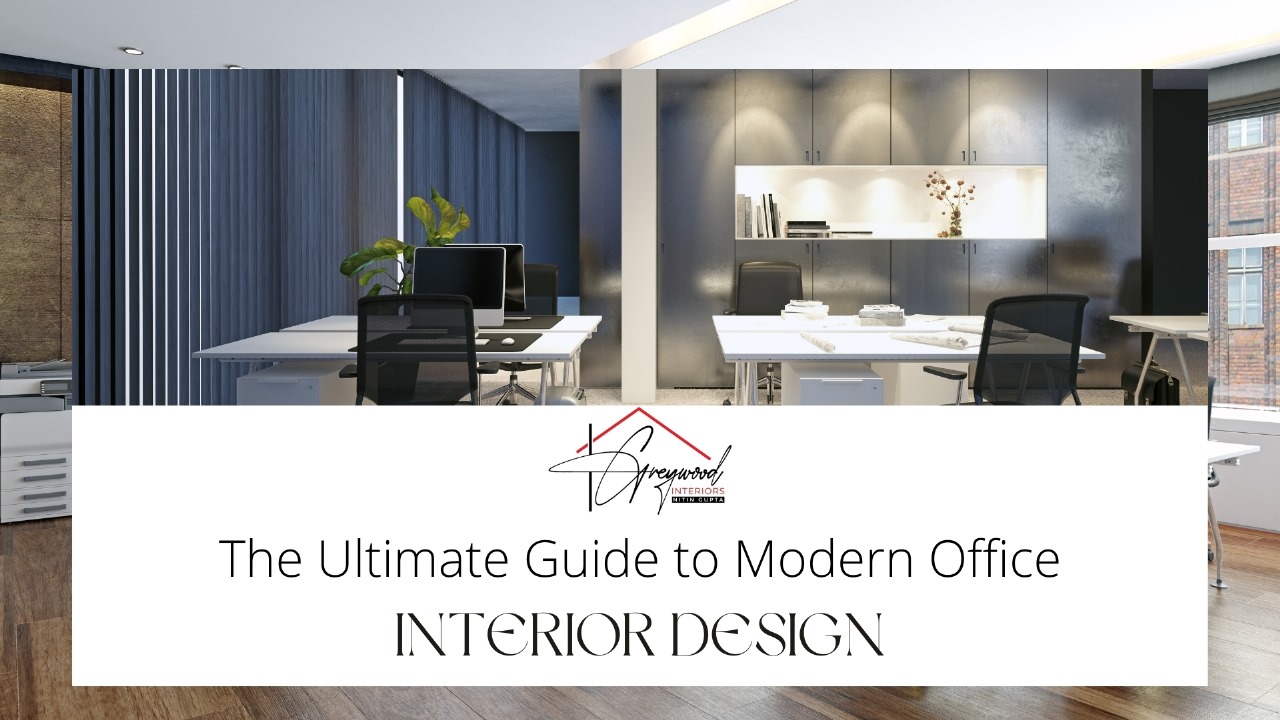
The Ultimate Guide to Modern Office Interior Design

In today’s business environment in which first impressions and satisfaction of employees are crucial the modernization of interior design is the foundation of business success. Businesses now view their office surroundings as more than practical spaces. They are essential to encouraging innovation, productivity and an uplifting work environment. The comprehensive guide from Greywood provides all you need to be aware of about modern office interior design to make an office environment that is modern and reflects aesthetics and functionality.

Introduction to Modern Office Interior Design

The function of offices has changed dramatically over the past few years. The office is not just an office where jobs are accomplished; it is now an environment with a vibrant atmosphere that has a significant role to play in increasing employee satisfaction, stimulating the creativity of employees, as well as increasing general productivity. Many companies are investing heavily in modern office layouts that go beyond the fundamental aesthetics, incorporating elements that accommodate different working modes and foster a sense of well-being. The designs are focused on creating areas that are efficient attractive, appealing to the eye and adapted to the requirements of a modern workforce.

A Brief History of Modern Interior Design

Modern interior design was born of the modern era, which focused on the importance of efficiency, functionality and practicality. This concept was developed through the designs of The German Bauhaus School of Architecture as well as Scandinavian Design at the beginning of the 20th century. The concept melded the fine arts as well as practical architecture. Influenced by minimalist art’s design, it was decorated in sleek lines, contemporary patterns, and the latest construction materials, such as steel and concrete, making the modern look that was prevalent in the 20th and 50th centuries.

Why Does Office Interior Design Matter? 

Modern office design impacts not only how a space looks but also how it functions. By balancing comfort, technology, and aesthetics, companies can create an environment where employees are motivated, productive, and engaged.

Understanding Key Elements in Modern Office Interior Design

In designing or building offices, take into consideration essential elements such as workspace function and aesthetics of the brand, as well as company values, the needs of employees, as well as future adaptability. Make sure you consider accessibility, sustainability and natural light, as well as acoustics and design with a focus on health to ensure a comfortable and comfortable environment that is in line with the goals of your business and the image of your brand.

  • Workspace function: Create office layouts for tasks such as collaborative work, focus, and even meetings. Integrate the use of standing tables and pods that are private as well as open spaces to increase productivity.
  • Aesthetics: Your brand’s character through decor, colours and furnishings that communicate modernity or comfort for both visitors and employees.
  • Corporate culture: Office design should highlight your core values with large layouts to facilitate teamwork or fun décor for an ambience of relaxation.
  • The needs of the employee: Make an ergonomic, flexible and comfortable workplace with relaxing zones and customizable workstations to meet employees’ requirements to ensure comfort.
  • Future-proof: The design is designed to be adaptable by incorporating modular furniture as well as movable partitions that can be adapted to future needs.
  • Budget: Prioritize value over time by choosing chairs and furniture rentals to create high-end designs within your budget.
  • Accessibility: Make sure your design is inclusive using ADA-compliant components such as accessible routes for wheelchairs and facilities.
  • Sustainability: Select sustainable products including energy-efficient lighting, as well as products that are non-toxic to help workers and the environment.
  • Acoustics: Manage noise using the use of sound-dampening material and private areas for focus, and to reduce distractions.
  • The natural light: Make the most of windows and walls that are transparent to increase energy and improve health.
  • Wayfinding: Utilize simple layouts and clear signage to make navigation easier.
  • Wellness and health: Integrate designs with movement including rest areas, stairs and furniture that is ergonomic for employees’ well-being.

What Is the Difference Between Modern and Contemporary Interior Design?

  • Modern interior design reflects current trends of the time, rather than sticking to an established time.
  • The design style is variable, and trends change frequently, making it more adaptable and flexible than contemporary design.
  • Inspired by global trends, modern design is influenced by a variety of designs and styles as well as advances in technology and technology, creating a constantly evolving aesthetic that suits the modern lifestyle.
  • As it represents current fashion and technology, modern style will be very different in the next 50 years and will evolve to reflect new trends and trends.

10 Ideas to Bring Modern Interior Design Into Your Office

Modern Interior Design Into Your Office
  • Select an Open Floor plan: Remove barriers for an easy flow and a flexible space that is ideal for interaction and adaptability.
  • Create Large Windows or sliding doors: Connect indoor and outside spaces using sunlight that creates a warm and airy space.
  • Utilize Functional Storage: The built-in shelves and cabinets keep a clutter-free and well-organized look.
  • Use a neutral palette: Whites, beiges and greys make the perfect calm and flexible background that can be used to change the decor.
  • Explore Geometric Patterns: Introduce visual interest by using pattern-filled tiles, rugs or even fabrics.
  • Choose Multi-Functional Furniture Furniture pieces like sofa beds make the most of small spaces, and also increase functionality.
  • Integrate Natural Materials: Elements like wood and stones add energy and provide sustainability.
  • Create Statement Pieces: Artistic furniture creates an accent and gives personality.
  • Utilize Texture to Enhance depth: Textured finishes prevent flatness, and add depth to the room.
  • Use Abstract Art as a part of your decor: Abstract art adds an air of modernity and personality to your décor.

10 Modern Office Interior Design Ideas

The design of a workspace can inspire employees to be productive and boost their energy levels. In an office that is practical, comfy visually appealing the employees will be more productive. If you’re trying to freshen your office environment We’ve put together some practical contemporary office design suggestions to help you through the process.

1. Free-flowing Floor Plan: Open layouts are best with doors that slide open and desks with modular designs for better collaboration and greater flexibility.

2. Ergonomic Furniture: Make sure you have adjustable tables and chairs for proper posture and comfort.

3. Minimal aesthetics: Select sleek, clean furniture and a neutral colour palette.

4. Bold Accents: Bring colour to your space by adding seating or accent walls to increase energy and focus.

5. Biophilic Design: Incorporate the natural light of nature, plants as well as wood-based materials for an environment that is refreshing.

6. Smart Technology: Smart lighting and energy efficient sensors and video conference technology.

7. Breakout Spaces: Create areas to relax or have casual conversations, as well as exercises.

8. Acoustics: Use the sound-absorbing panels to cut down on sound in layouts with open spaces.

9. Optimized Storage: Make sure your space is tidy by using integrated cabinets and storage units.

10. Collaboration Zones: Add cosy seating, whiteboards and interactive display screens to facilitate discussion.

Benefits of Modern Office Interior Design

  • Increased Employee Satisfaction and Productivity

A well-designed office has a positive effect on employee morale, making employees feel valued and motivated. Comfortable, visually appealing spaces with functional layouts minimize distractions and make it easier for employees to focus on their tasks.

  • Health and Wellness in the Workspace

Modern office design also focuses on health and wellness. Ergonomic furniture, plants, and even special lighting can help reduce stress and fatigue, creating an environment that supports physical and mental well-being.

Planning the Layout for Modern Offices

  • Open vs. Closed Office Layouts

Open office layouts are popular for encouraging conversation and teamwork, but some roles require focused, quiet areas. Many companies now opt for hybrid layouts that combine open spaces with enclosed rooms or pods for those who need solitude to concentrate.

  • Incorporating Breakout and Collaborative Areas

Breakout spaces provide employees with a place to relax and recharge, encouraging creativity and informal collaboration. Collaborative areas, often equipped with comfortable seating and digital tools, allow for spontaneous team meetings and brainstorming sessions.

Incorporating Technology in Modern Office Spaces

Technology is an essential part of any modern office. From Wi-Fi-enabled smart devices to energy-efficient systems, the right technology can streamline operations and improve the employee experience.

  • Smart Tech for a Connected Office

Smartboards, digital collaboration tools, and virtual meeting platforms are crucial for remote collaboration, allowing teams to stay connected and efficient.

  • Wireless Solutions and Space-Saving Devices

Wireless technology reduces clutter, making the office look clean and organized. Compact devices also save space, making it easier to add additional equipment when needed.

Popular Office Layouts and Design Trends

There are a variety of office layouts to choose from, each with its advantages. Common options include:

  • Open Floor Plan: Minimal walls, open workstations, promotes collaboration; may lack privacy.
  • Cubicles: The partitioned desks provide the privacy of a private area and a moderate amount of space.
  • Private Offices: Rooms with enclosed doors for concentration; balanced by open spaces.
  • Reception Spaces: Relaxed, informal places to unwind or work.
  • Treadmills and Standing Desks Desks: Benefits for health Add variety to Desk options.
  • Natural Light & Greenery: Windows and plants provide a relaxing environment.
  • Bright Colors and Artwork: Include artwork and color to liven up places.
  • Technologies Integration: Smart Systems and AV to support working in hybrid mode.
  • Biophilia: includes the natural elements that help relax.
  • Multipurpose Spaces: Flexible enough to meet a variety of demands.
  • Active Spaces: Include exercise or games spaces for break-time activities. 

The Role of an Interior Designer in Office Projects

  • When to Hire a Professional Designer

Professional interior designers can bring expertise, creativity, and efficiency to your project. Whether starting from scratch or renovating, a designer can help you avoid costly mistakes.

  • How Greywood Can Help Transform Office Spaces

Greywood provides professional interior design services tailored to the needs of modern offices. Our expertise ensures a balanced, visually appealing and functional workplace.

Designing Different Types of Spaces in the Office

Alongside the general layout, each of the each office space is to be designed according to their requirements and their:

  • Individual Workstations: Make personal and ergonomic environments with natural lighting and the option of personalization.
  • Meeting rooms: Rooms of various sizes are available with cozy seating, whiteboards and video equipment for working in a hybrid way.
  • Breakrooms: Offer cozy rooms equipped with kitchens and spaces for quiet or group gatherings.
  • Reception areas: Reflect brand identity by showcasing stylish designs as well as guest seating. brand-named displays.
  • Call Booths: Booths that are soundproofed for calls in private and have good lighting and air circulation.
  • Wellness Rooms: Relaxation zones as well as yoga and meditation.
  • Mom’s Rooms: Private spaces that include all the necessities to nurse.
  • Outdoor Spaces: Incorporate patios and terraces that can be used for breaks or working.

FAQs About Modern Office Interior Design

Q1 Which are the best positives of modern office design?

Modern office design improves efficiency, satisfaction of the employees and overall well-being through the creation of pleasant, functional and visually pleasing spaces.

Q2: Who is the best office interior designer in Agra?

Greywood is the best office interior designer in Agra having 10 years of experience in modern office design, home interior design, black and white office design and simple office interior design.

Q3: What colours work best in office settings?

Greens and blues have been proven to improve productivity. light shades can create a peaceful atmosphere that boosts focus and creative thinking.

Q4: Can small office spaces incorporate contemporary concepts of design?

Small offices can be maximized in spaces by using minimal furniture, multifunctional spaces as well as strategic lighting planning to create a sense of openness and airiness.

Q5: How is ergonomic furniture essential in an office?

Ergonomic furniture helps prevent stress injuries and improves comfort. It allows employees to be productive without any physical pain.

Q6: What function does biophilic design perform in an office environment?

Biophilic design incorporates natural elements into office spaces and improves air quality while reducing stress, and improving the overall well-being of employees.


Conclusion: Transforming Your Office Space

Collaboration Greywood lets companies benefit from expert guidance along with creative design solutions for creating inspiring environments that meet the diverse requirements of their employees.

No matter if you’re beginning at the beginning or upgrading your established setup, Greywood’s contemporary workplace design options offer aesthetics in addition to functionality making your office an area of inspiration and productivity.

With a focus on contemporary ideas for design, Greywood ensures that every aspect of your office will have a pleasing design and functional performance.

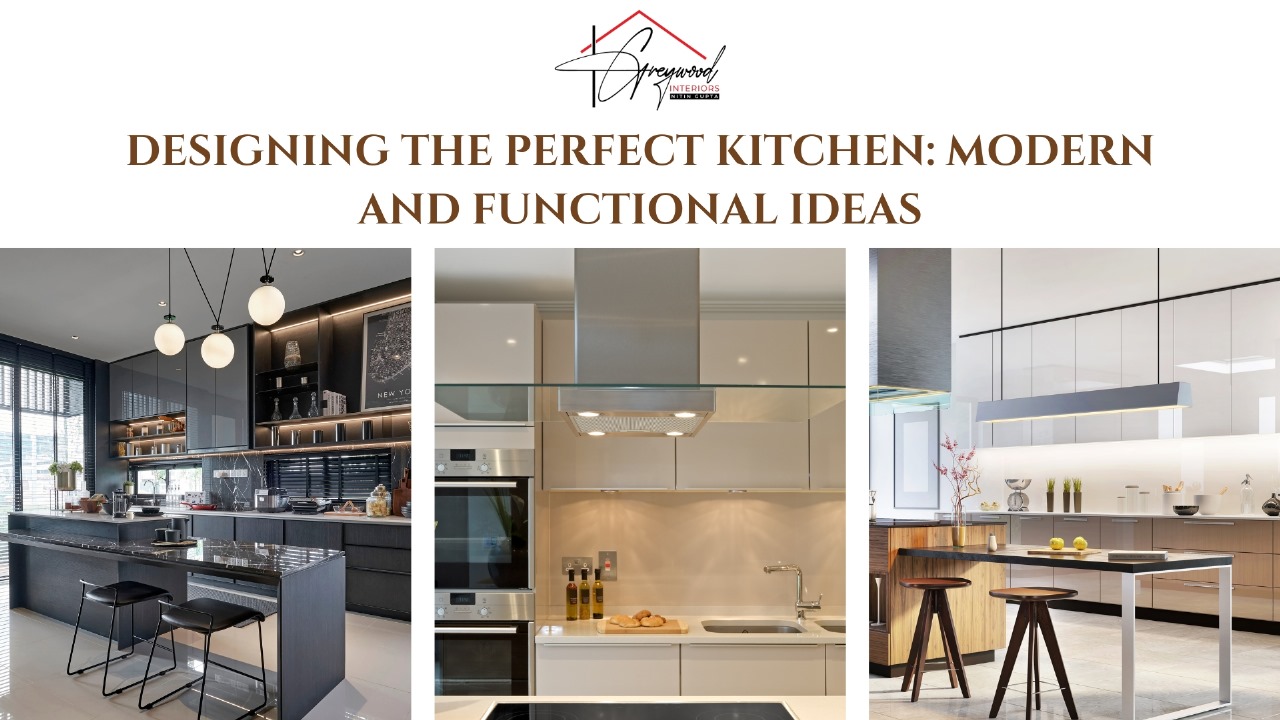
Creating Your Ideal Kitchen: Modern, Functional Design Idea

Introduction: Modern and Functional Kitchen Ideas

Creating the perfect kitchen isn’t just about the look – it’s about creating a space that balances style, efficiency and functionality. Whether you’re thinking of a complete makeover or a simple update, this book is packed with kitchen design ideas in India, interior kitchen design ideas and home kitchen design ideas that will help you create a space that suits your style. Find unique kitchen design ideas in India or explore black-and-white kitchen design ideas for a timeless look. From simple kitchen design ideas to more elaborate concepts, find inspiration to make your kitchen both beautiful and practical.


1. Essential Elements of a Functional Kitchen


The kitchen is an area where you are constantly in motion, and therefore it is essential to be functional. A well-planned layout, the right materials as well as design components will make a big impact.

  • Importance of Space Optimization

Every square inch is important in the kitchen. A well-designed space optimizes for more efficient organization and also helps you navigate. Utilize wall-mounted racks, cabinets and drawer organizers to make the most of every corner.

  • Efficient Workflow and the Kitchen Triangle

Kitchen triangles are an old style that puts the stove, sink and refrigerator on a triangular grid. The layout minimizes movement making for a smooth workflow which saves energy and time.

  • Durable Materials for a Long-Lasting Design

Materials that are durable like granite, stainless steel and quartz are a popular choice for modern kitchens because of their resistance to staining and scratches. The choice of high-end materials will not only improve the appearance of your kitchen but prolong the life of your kitchen.


2. Choosing the Right Kitchen Layout


The layout of the kitchen is among the main factors to consider in designing your kitchen. Pick a layout that compliments the space you have and is suited to your style of living.

  • L-Shaped Kitchen Layout

Perfect for spaces with open space This layout offers plenty of countertop space, and also creates a flow. This makes it easy to integrate a dining space or an island.

  • U-Shaped Kitchen Layout

The layout is surrounded with countertops and cabinets around three sides. This layout is great for the amount of storage space and work area. This layout is ideal for kitchens with a lot of space in which cooking is a frequent activity.

  • Open-Concept Kitchen Layout

Ideal for contemporary homes Open-concept kitchens remove barriers between kitchens and living spaces, allowing for an unison and making the kitchen into a hub of your house.


3. Embracing Modern Kitchen Design Trends


From minimal designs to intelligent tech integration, contemporary fashions are focused on functionality with no compromise on design.

  • Modern Design and Clean Lines

A clean, minimalist kitchen features clean lines and simple decor. Opt for modern drawers and cabinets that are free of handles as well as a neutral selection to get this design.

  • Smart Technology Integration

Smart kitchens are equipped with appliances that you can control by your mobile. From touchless faucets to intelligent ovens, technology can improve efficiency and convenience your cooking routine.

  • Bold Colors and Statement Accents

The addition of bold hues to a contemporary kitchen style makes the kitchen shine. Think about a statement wall, colorful cabinets, or distinctive backsplashes for a distinctive look to the kitchen.


4. Essential Kitchen Storage Solutions


Storage is vital to make your kitchen more organized and productive. Modern storage systems provide simple access to your kitchen while also keeping it clean and clutter-free.

  • Pull-Out Cabinets and Drawer Organizers

The pull-out cabinets are perfect for storage of pans, pots as well as pantry products. Drawer organizers can keep your utensils and small objects in order making it easier to access them whenever you require the cabinets.

  • Floating Shelves and Wall Storage

Floating shelves give a contemporary style, with an open design. They’re great for showing commonly used objects. Racks that are mounted on walls can store knives, spices, as well as other items.


5. Choosing Appliances for Functionality and Style


Choosing the correct appliances is vital for practicality and style in modern kitchens.

  • Built-In Appliances for a Seamless Look

In-built appliances complement cabinetry to create a seamless design. The most popular options are ovens with built-ins as well as microwaves and refrigerators that retain the clean look of contemporary kitchens.

  • Energy-Efficient Appliances

Energy efficient appliances help save money on electric bills and also help to ensure sustainability for the environment. Find appliances that have the Energy Star rating for maximum efficacy.


6. Modern Lighting Options for a Functional Kitchen


Lighting is a crucial element for both function and ambience in kitchens. Layering lighting is the way to go the best.

  • Task Lighting for Food Prep

Lighting for tasks is crucial for food preparation spaces. Track lighting or under-cabinet lighting gives a focused light source, which makes the tasks of chopping, cooking and chopping simpler and safer.

  • Ambient and Decorative Lighting Choices

Pendant lights above an island, recessed lighting, as well as chandeliers give warm lighting to the kitchen. They contribute to the overall design, making the kitchen seem appealing and elegant.


7. Choosing Countertops: Style Meets Functionality


Countertops are among the surfaces that are most frequently used in the kitchen. Therefore, durability and style are crucial aspects to consider.

  • Popular Countertop Materials

Quartz, granite, and marble are all popular options because of their strength and visual appearance. Quartz is frequently used in contemporary kitchens because of its stain-resistant, non-porous nature.

  • Choosing the Right Color and Finish

Colors for countertops must complement your kitchen’s general style. The lighter shades provide a fresh and spacious feeling, while deeper shades add warmth and depth.


8. Backsplash Ideas for a Modern Kitchen Look


Backsplashes can be both practical and attractive. They guard your walls against splashes and spills, while also giving your kitchen a unique look.

  • Glass, Tile, and Marble Backsplash Options

Glass backsplashes are simple to keep clean and tile backsplashes provide a variety of colors and patterns. Marble backsplashes are a beautiful design, perfect for luxurious kitchens.

  • Statement Backsplashes for Style

Look into striking colors, geometric designs as well as metallic finishes to give your kitchen a contemporary approach. The unique backsplash is the center of attention in the kitchen.


9. Flooring Options to Complete Your Kitchen Design


The flooring in your kitchen should be long-lasting and cleanable. There are a variety of stylish choices to choose from.

  • Durability and Aesthetic Appeal

Vinyl, ceramic tiles and wood are popular options. Hardwood provides warmth and tiles have a higher resistance to the effects of water and staining, which makes the perfect choice for kitchens with a lot of activity.

  • Hardwood, Tile, and Modern Alternatives

Hardwood offers a timeless style, however it can require greater maintenance. Tiles are durable and come in many styles, which include wood-look choices for a contemporary accent.


10. Color schemes that enhance modern Kitchens


The ideal color scheme could enhance the appeal of a contemporary kitchen.

  • Neutral Tones for a Sophisticated Look

Tones that are neutral like gray, white and beige give a clean and refined look. These shades are easy to combine with other style components.

  • Accent Colors to Add Personality

Think about adding accent colors such as navy blue, emerald green or mustard yellow to add personality to your kitchen. These colors can be used as accents on countertops, cabinets, and kitchen islands.


11. Incorporating Sustainable and Eco-Friendly Elements


Sustainable design is gaining traction as a key element in kitchen design.

  • Recycled and Natural Materials

Select materials such as bamboo, reclaimed wood or recycled glass to create a green kitchen. These products not only lessen the environmental footprint, but they also add distinctive style to the kitchen.

  • Energy and Water-Saving Features

Install water-saving fixtures and energy-efficient lighting to minimize consumption. Appliances powered by solar power are another alternative for the eco-conscious homeowner.


FQAs About Modern And Functional kitchens Ideas


1. What’s the ideal design for small kitchens?

In small kitchens with limited space, an L-shaped layout can work great as it makes the most of space while not requiring too much.

2. What can I do to improve the look of my kitchen? trendy without having to remodel?

A new set of hardware, lights or even a new coating of paint on your cabinets will make them appear more contemporary.

3. What materials would be ideal for modern kitchen countertops?

Granite, quartz and marble are all popular options because of their strength and sleek appearance.

4. Do you have eco-friendly alternatives for kitchen appliances?

The Energy Star appliances are eco-friendly as well as efficient and help reduce carbon footprint.

5. What is the best way to create an estimate for kitchen remodeling?

Prioritize the essential modifications, analyzing the cost of materials in addition to preparing for the possibility of unexpected expenses.

6. What kind of lighting would work best in functional kitchens?

The combination of ambient, task and accent lighting perfectly balances practicality and elegance in kitchens.


Conclusion: Function in Your Modern Kitchen

Creating a kitchen that combines contemporary design with functionality is truly rewarding. With the right elements and thoughtful kitchen design ideas in India, you can craft a space that’s not only beautiful but also efficient and sustainable. Explore interior and home kitchen design ideas that bring a fresh touch to your cooking space. From Indian kitchen design ideas to timeless black and white kitchen design ideas, discover how to make your kitchen visually appealing and practical. Even with simple kitchen design ideas, achieve a stylish and sustainable look.

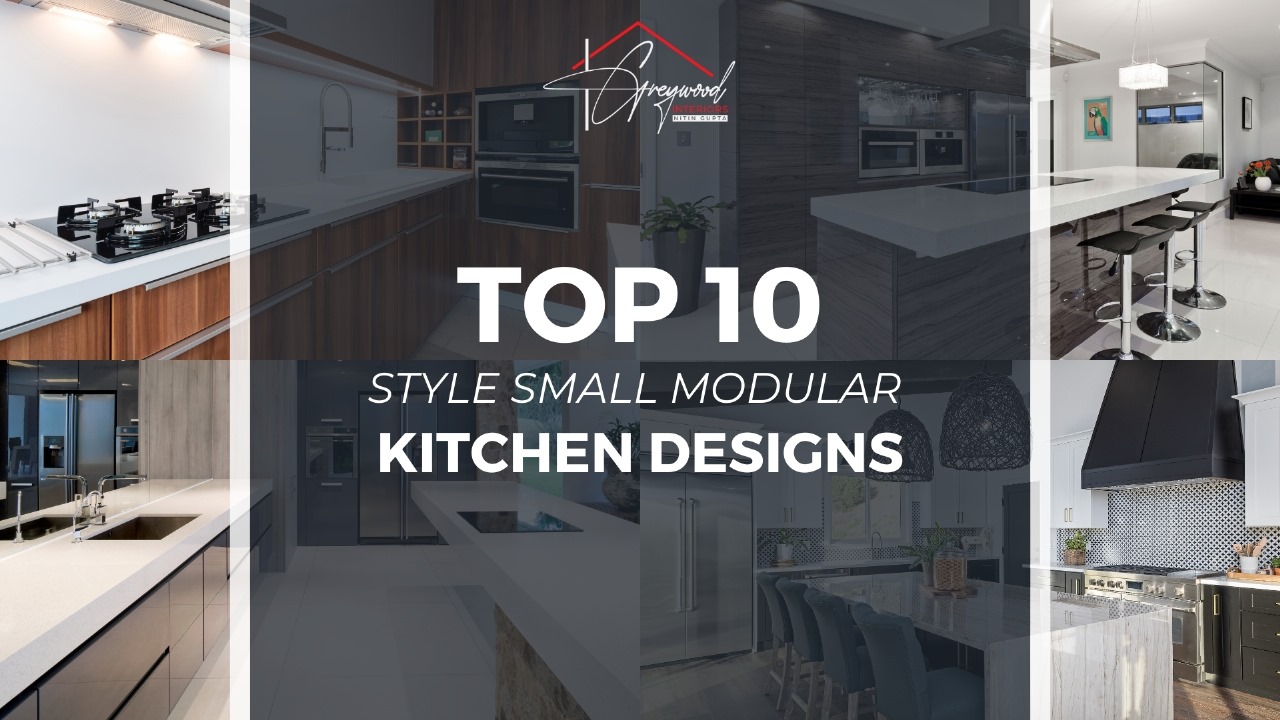
Top 10 Indian Style Small Modular Kitchen Designs

Be it villagers or city dwellers, everyone wants their kitchen to look beautiful because, in Indian homes, the kitchen is not just a place for cooking. It is also a social area where the family can gather and celebrate small joys.

Given the rise in small living areas in cities, a well-designed modular kitchen will be essential, especially in smaller towns. The article below explores 10 Indian-style small modular kitchens that combine beauty and functionality. It offers practical solutions for every home.


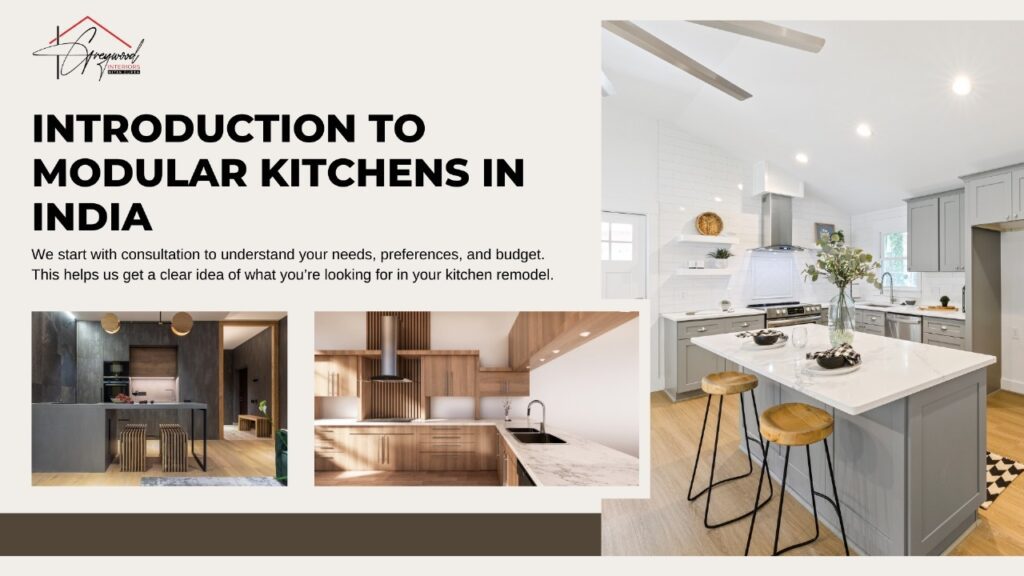
Introduction to Modular Kitchens in India


Modular kitchens in India have revolutionised the way kitchens are designed, as such kitchens are not only stylish and attractive, but they are also very useful. This is especially true for homes where space may be a constraint.


Modular Kitchens in India

Modular kitchens are designed to maximise space. They consist of cabinets and other fixtures that can be configured to suit different layouts. Modular kitchens are a great way to make the most of any space, whether you have a small apartment or a cosy bungalow.


Benefits of Indian Style Small Modular Kitchen Designs

Above we have understood the importance of modular kitchens. We know that there are many advantages of choosing a small modular kitchen design:


      • Space Optimization: Smart designs ensure every corner is used efficiently, from corner cabinets to pull-out shelves.

      • Cost Efficiency: Modular kitchens are budget-friendly because of their standardized components.

      • The blend of Modern and Traditional: Many designs incorporate traditional Indian aesthetics with modern functionality.

    List of Indian-style small modular kitchen design

    If you are looking for Indian small modular kitchen designs for your home, to make your search easier, we have listed below the top Indian-style small modular kitchen designs that can help you in your search.


    1: U-Shaped Modular Kitchen Design

    A U-shaped kitchen is one with units placed on three adjacent walls, creating a U. The U-shaped layout is the most efficient way to maximise counter and storage space in small areas. Three walls are lined with counters and cabinets, creating an ergonomic and practical cooking space.


        • Advantages for Small Spaces: This design offers ample storage space, allowing you to keep all your cooking essentials within easy reach without cluttering your kitchen.

        • Design Ideas: Choose light colors and reflective surfaces to make the space appear larger. If space allows, even create a small breakfast counter.

        • Best For: Homes that need extensive storage.

        • Key Features: Cabinets on three adjacent walls; ample workspace.

        • Pro Tip: Use a bright color palette to make a small area appear visually open.


      2: I-Shaped Modular Kitchen Design

      The I-shaped shape is simple and effective. It’s perfect for small and narrow spaces. This design is ideal for studios as it features one wall of cabinets and counters.


          • Ideal for Narrow Spaces: The linear layout ensures that everything you need is within your reach, and easy to navigate.

          • Design Flexibility: Add open shelves or hanging racks to utilize vertical space.

          • Best For: Compact spaces with minimal cooking requirements.

          • Key Features: Single-wall kitchen with streamlined cabinets and counters.

          • Budget Tip: Opt for a laminate finish to reduce costs without compromising on style.


        3: L-Shaped Modular Kitchen Design

        L-shaped kitchens are built in corners and usually have two open ends that allow separate entry and exit. It can be used in an open kitchen or a closed kitchen. The layout uses both adjacent walls to provide ample space for storage and cooking because fewer traffic jams mean more space and less stress while preparing food!


            • Space-Saving Benefits: This design opens up the area, making it feel less cramped.

            • Suitable for Open Kitchens: It is perfect for homes where the kitchen is part of the living space, as it creates a seamless transition between the two areas.

            • Best For: Compact apartments or open layouts.

            • Key Features: Countertops along two adjacent walls; optimizes corner spaces.

            • Pro Tip: Use corner pull-out trays for extra storage.


          4: Parallel Modular Kitchen Design

          A parallel kitchen design is a kitchen that has work surfaces arranged in a row, and a row of cabinets beside it. This design is also known as a galley-style kitchen. It has two parallel counters. This design is ideal for narrow and long spaces. It ensures maximum efficiency.


              • Efficiency at Its Best: Everything is within reach, making it easy to prepare meals without having to move around too much.

              • Incorporate Modern and Traditional Elements: Use a combination of wood and glass cabinets for a stylish and functional look.

              • Best For: Rectangular kitchens with narrow widths.

              • Key Features: Cabinets and appliances on both sides for easy accessibility.

              • Pro Tip: Include upper cabinets for extra storage without cluttering the floor area.


            5: Open Modular Kitchen Design

            Open modular kitchens are informal spaces where you can converse while cooking. The area flows seamlessly into the living or dining space. Indians like open kitchens as they create the illusion of more space. It is an excellent design for smaller spaces, as it creates the illusion of more space.


                • Blends with Living Area Decor: An open kitchen can be seamlessly blended with the living or dining area, making it easier to interact with family or guests while cooking.

                • Best For: Small homes with open floor plans.

                • Key Features: No partitions; encourages interaction with guests.

                • Design Idea: Use a breakfast bar or island for added storage and dining space.


              6: Minimalist Modular Kitchen Design

              Minimalist kitchens focus on functionality and simplicity. They are clutter-free. It is ideal for people who like a clean, streamlined appearance.


                  • Design Tips: Opt for handleless cabinets, integrated appliances, and neutral colors to achieve a minimalist aesthetic.

                  • Best For: Those who prefer a clean, modern look.

                  • Key Features: Neutral colors, handle-less cabinets, and open shelving.

                  • Budget Tip: To stay on budget, use inexpensive materials like plywood or particle board.


                7: Traditional Modular Kitchen Design

                A traditional kitchen often incorporates classic and timeless design elements. Indian kitchens often have a touch of tradition. Modern modular designs can be combined with traditional Indian elements such as wooden cabinets and brass handles.


                    • Cultural Touch: Incorporate decorative tiles, earthy colors, and traditional brass utensils for an authentic Indian feel.

                    • Best For: Homes that cherish cultural elements in the design.

                    • Key Features: Wooden cabinets, spice racks, and terracotta or patterned tiles.

                    • Pro Tip: Use earthy tones to bring warmth to the small space.


                  8: Industrial Modular Kitchen Design

                  Industrial kitchens are inspired by commercial kitchens. The style is defined by a raw, urban aesthetic. This style often features exposed brick or concrete, metal finishes and open concept designs.


                      • Design Ideas: Choose open shelving, concrete countertops, and stainless steel appliances to create a cohesive industrial vibe.

                      • Best For: Modern apartments with a bold design aesthetic.

                      • Key Features: Exposed pipes, stainless steel cabinets, and open shelving.

                      • Pro Tip: Add pendant lighting to complete the industrial vibe.


                    9: Straight Modular Kitchen Design

                    A straight-layout modular kitchen is designed to be installed on a single wall. The straight kitchen design is ideal for small areas. The straight kitchen design is simple, efficient and easy to maintain. It has a countertop, cabinets and attached modules all fitted in one space.


                        • Perfect for Studio Apartments: By arranging everything on a single wall, this design saves space and provides an uncluttered look.

                        • Best For: Homes with limited space and a single cook.

                        • Key Features: All appliances and storage align along one wall.

                        • Budget Tip: Stick to basic cabinetry and use a glossy finish for a sleek, modern look.


                      10: Galley Kitchen

                      What makes the world of kitchen design so interesting is that every kitchen layout is different, as the layout of a galley kitchen is similar to that of a parallel kitchen but it is more compact. A galley kitchen is a design in which two counters are parallel and there is a walkway between them, just like a galley in a ship.


                          • Best For: Very narrow spaces, especially in rental homes.

                          • Key Features: Continuous cabinets along both walls; minimalist look.

                          • Storage Tip: Install pull-out pantry units to save space.


                        Latest Trends in Modern Kitchen Design India

                        Modular kitchens are a great way to showcase modern design with a twist. Trends include bold colors, multi-functional units, integrated appliances and multi-functional units.


                        FQAs About 

                        1: How to plan a small kitchen design in Indian style for his home? 

                        If you are planning an Indian small-style kitchen design, it is easier than you think, but only if you know where to start. Greywood can provide you with more of these clever hacks that will help create a kitchen to suit your needs.


                        2. Need a Small Modular Kitchen Design Service?

                        If you are looking to hire a small kitchen designer then Greywood, the best interior designer in Agra is your best choice for small modular kitchen design services.


                        3. The latest modular kitchens for small spaces

                        Trending are designs that incorporate smart storage with a sleek look, such as minimalist or industrial design.


                        4: How do you maintain a modular small kitchen?

                        Keep your kitchen clean by cleaning regularly, organizing and using storage that is space efficient.


                        5. How much does a small-space modular kitchen cost?

                        A low-budget design can be as cheap as INR 50,000.


                        6. How can I integrate traditional elements into a modular modern kitchen?

                        Blending traditional Indian decor and modern functionality will create a unique, personalized look.


                        7. How to choose the right modular kitchen for small kitchens?

                        I-shaped kitchens and L-shaped modules are great for smaller spaces because of their compact but functional layout.


                        8: What is the best way to design a modular small kitchen with a limited budget?

                        Reduce cabinetry costs by using materials that are inexpensive, such as laminates and particle board.


                        9. What are the options for a modular small kitchen that includes a dining space?

                        A compact dining space can be accommodated in an open-plan kitchen that has a breakfast counter or an L shape.


                        10. How can I make a kitchen more functional?

                        For narrow areas, galleys and parallel kitchens make the most of the available space.


                        Conclusion About Modular Kitchen Design

                        The right design of a kitchen for a small space can improve the cooking experience and maintain aesthetics. Indian small-style Modular kitchen designs can be tailored to your space, lifestyle, and preferences. Modular solutions are available in a variety of styles, whether you want a minimalist style with traditional touches or a modern, contemporary style.